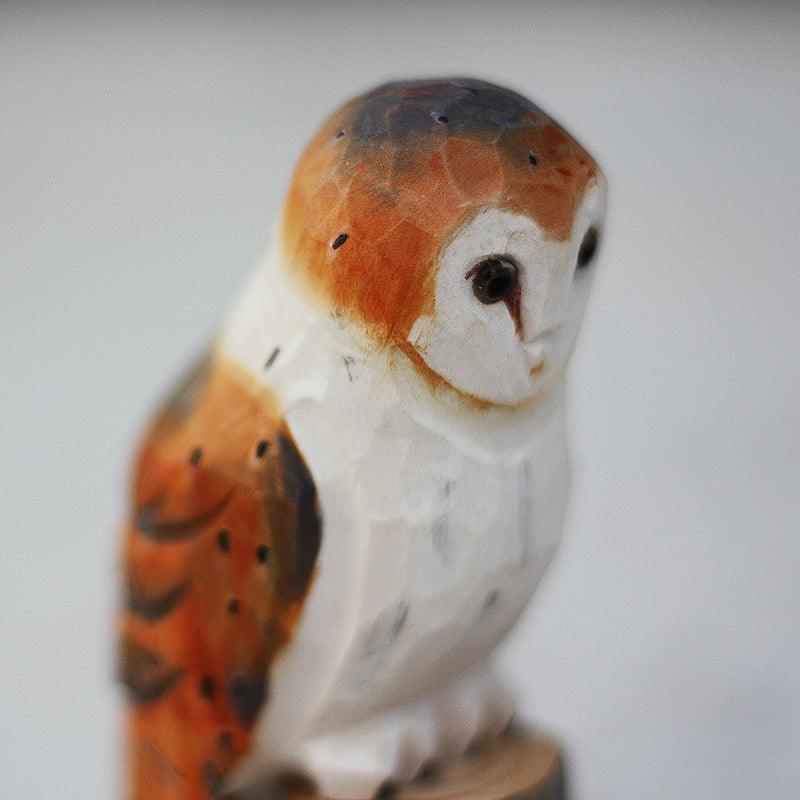
What to Know About Hand-Raising and Keeping Owls
What to Know About Hand-Raising and Keeping Owls
 Owls are mysterious, majestic, and often misunderstood creatures. With their hypnotic eyes, silent flight, and intelligent behavior, it’s no wonder many people are drawn to the idea of raising one. But hand-raising or keeping an owl as a companion bird is not like owning a parrot or chicken—it requires special knowledge, legal permission, and a lifelong commitment.
1. Legal Restrictions: Is It Even Allowed? ⚖️
In many countries (including the U.S., UK, and parts of Asia), keeping native owl species is illegal without a wildlife rehabilitation or falconry license.
Before considering an owl:
-
Check local wildlife laws
-
Understand the difference between captive-bred and wild-caught (never take from the wild)
-
Some species like the Barn Owl or Eurasian Eagle Owl may be allowed under permits
Never buy an owl from an illegal source—it supports poaching and causes harm to the species.
2. Raising a Chick: Not for Beginners 🐣
 Raising a baby owl (owlet) by hand is extremely delicate.
-
Requires feeding every 3–4 hours (raw meat or specialized diet)
-
Must maintain brooder temperature carefully
-
Improper diet leads to deformities like Metabolic Bone Disease
-
Without proper training, the owl may imprint and fail to behave normally
-
Needs veterinary care from an avian specialist
Unless you’re a licensed wildlife professional, raising an owl from chickhood is not recommended.
3. Diet: Forget Seeds, Think Meat 🍗
Owls are strict carnivores. They do not eat grains, seeds, or pellets like parrots.
Their diet includes:
-
Whole rodents (mice, rats)
-
Small birds or chicks
-
Insects, frogs, or raw meat with supplements
They need to eat bones, fur, and organs to stay healthy—this means feeding whole prey, not just chicken breast.
Prepare to store frozen rodents and clean up pellets (regurgitated bones and fur) regularly.
4. Housing Needs: Silent Hunters Need Space 🏞️
Owls do not belong in a cage indoors.
They need:
-
A large outdoor aviary (minimum 10x10 ft for small species)
-
Safe perches, shaded areas, and room to fly short distances
-
Quiet surroundings—owls are easily stressed by noise or people
-
A bath dish or misting to keep feathers clean
They also need shelter from wind and rain. Their enclosures should mimic nature as much as possible.
5. Temperament & Bonding 🦉
Unlike parrots, owls do not crave cuddles or playtime.
-
Most do not like being touched
-
They bond with one person and may react aggressively to others
-
They are not suited for noisy households or small children
-
Training takes patience and quiet respect
They can recognize voices and show subtle affection—but never expect an owl to behave like a tame pet bird.
6. Time, Cost & Lifespan Commitment ⏳
 Owls can live 20–30 years in captivity.
You must commit to:
-
Daily cleaning and feeding
-
Enrichment (natural branches, hunting-like games)
-
Ongoing vet care
-
Ethical treatment: no tricks, costumes, or selfies just for entertainment
They are working birds, not toys.
7. Is There an Alternative? 🪶
If you love owls:
-
Visit wildlife centers or bird sanctuaries
-
Support conservation groups
-
Volunteer with raptor rehab clinics
-
Adopt owl-themed art or sponsor a rescued owl
These options help owls without risking their well-being.
Conclusion
Owls are incredible birds—but they are not domestic pets. Hand-raising and keeping them requires experience, licenses, and lifelong dedication. If you truly care for owls, the best way to love them may be from a respectful distance.